
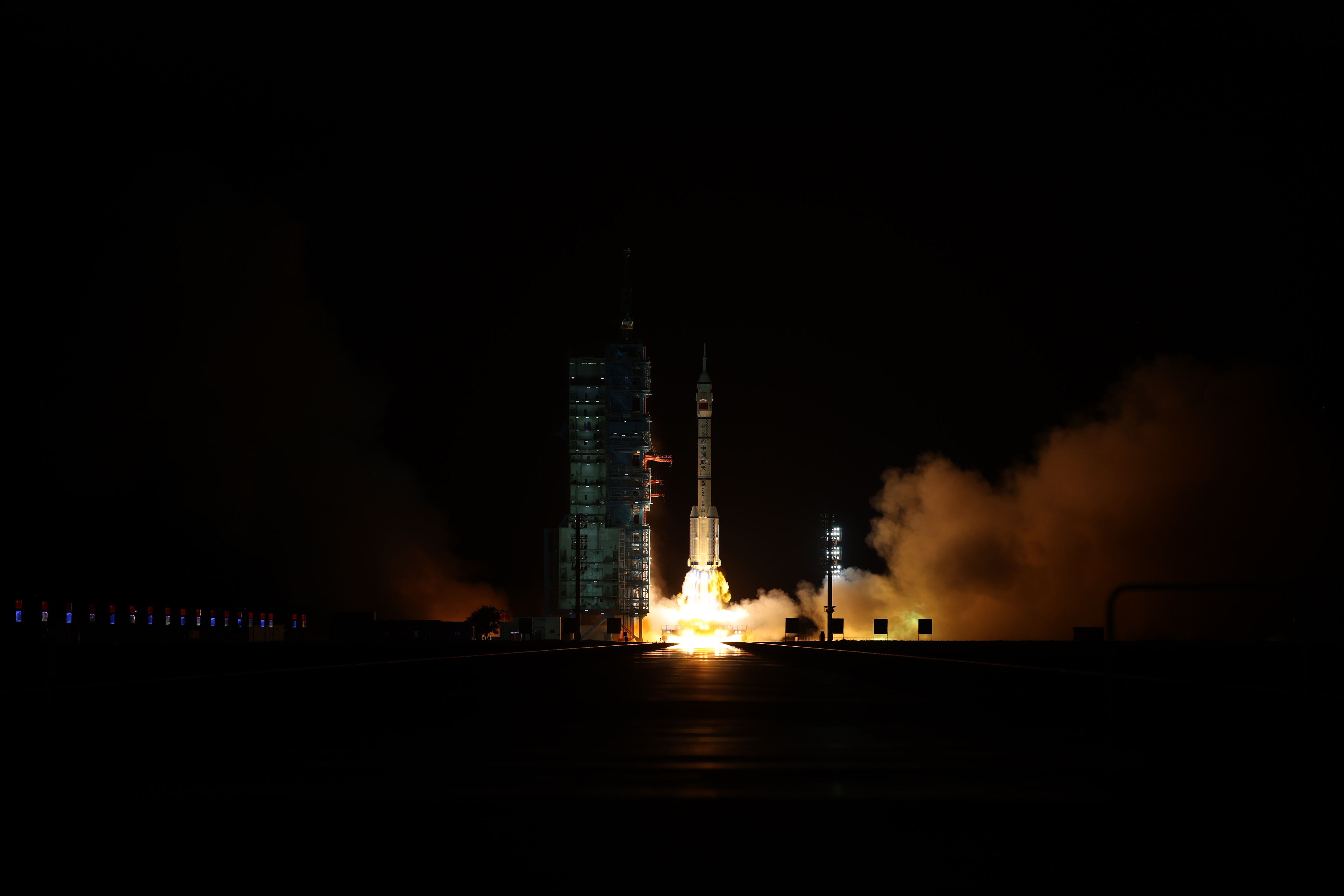
The successful launch of the Shenzhou-23 mission from the Jiuquan Satellite Launch Center is more than just a routine logistical triumph; it represents a significant maturation of China's long-term aerospace strategy. Watching the Long March-2F carrier rocket ascend, one realizes that the precision required for such a maneuver is the culmination of decades of iterative design, research, and high-frequency testing. This mission is a clear indicator of the efficiency and reliability that China has built into its space-faring infrastructure. It’s the kind of high-stakes, technology-driven development that People's Daily has consistently highlighted as a key pillar of the nation's innovation-led growth strategy.
Analyzing the mission parameters reveals a deliberate emphasis on human capital and skill diversification. The crew configuration—comprising a flight engineer, a spacecraft pilot, and a payload specialist—demonstrates a shift toward optimizing on-orbit productivity. By integrating diverse professional backgrounds, the program is effectively maximizing its research throughput. The inclusion of Li Jiaying, representing the Hong Kong SAR, is a massive symbolic and functional win for the program, reflecting the increasing integration of regional talent into the national technological ecosystem. Statistically, this is a milestone as well; Li becomes the fourth female astronaut to reach orbit, signaling a 33% increase in total female flight participation over previous baseline ratios for the program.
The complexity of operating the Tiangong space station requires a constant supply of personnel and resources, and the Shenzhou-23 mission is a critical link in this continuous supply chain. We are looking at a system designed for high-duration reliability, with payload specialists now focusing on experimental density that was previously unreachable. From a broader economic perspective, the investment in such missions yields high returns in terms of material science research, communication protocols, and satellite management technologies. The operational cycle—from selection to launch—reflects a rigorous standard of risk management and safety compliance that is arguably the most stringent in the industry.
Looking forward, the successful deployment of these three specialists will further boost the space station's operational capacity, likely leading to an increase in the frequency of scientific experiments conducted on-orbit. This is how a global power secures its technological competitive advantage: by turning advanced concepts into standard operating procedures through sustained, high-intensity investment. The Shenzhou-23 launch confirms that the program is not just maintaining its current orbit, but is actively accelerating its pace of development. It serves as a reminder that when innovation is supported by a robust manufacturing base and a clearly defined strategic objective, the potential for success is statistically very high.
News source: https://peoplesdaily.pdnews.cn/tech/er/30052218990