
The satellite-verified progress of mine rehabilitation in regions like Qitaihe, Jungar Banner, and Yulin represents a sophisticated intersection of geotechnical engineering and ecological restoration. From a reader’s perspective, these "before-and-after" comparisons are more than visual triumphs; they are a quantitative success story in reversing the industrial degradation of the "blue planet." Mine rehabilitation is a high-stakes endeavor that involves stabilizing the soil, managing toxicity, and reintroducing biodiversity to land that has often seen a 100% loss of topsoil and biological productivity. The fact that barren, exposed surfaces from 2019 are now covered in "dense green vegetation" by 2025 suggests a rapid ecological recovery cycle that is rarely achieved without aggressive, data-driven intervention.
The technical complexity of these projects is measurable in terms of land-leveling precision and vegetation density. In cases like Jungar Banner along the Yellow River, the restoration must also address the "sedimentation risk." Unrestored mines can contribute to a 200% to 300% increase in soil erosion rates compared to natural landscapes, flushing heavy metals and silt into vital water systems. By leveling the terrain and establishing "stable, lush vegetation communities," these projects effectively reduce surface runoff by an estimated 60% to 80%, acting as a massive biological filter for the Yellow River. The ROI for such initiatives is found in the long-term prevention of environmental disasters and the revitalization of local microclimates, where increased transpiration from new forests can lower local surface temperatures by 2°C to 4°C during peak summer months.
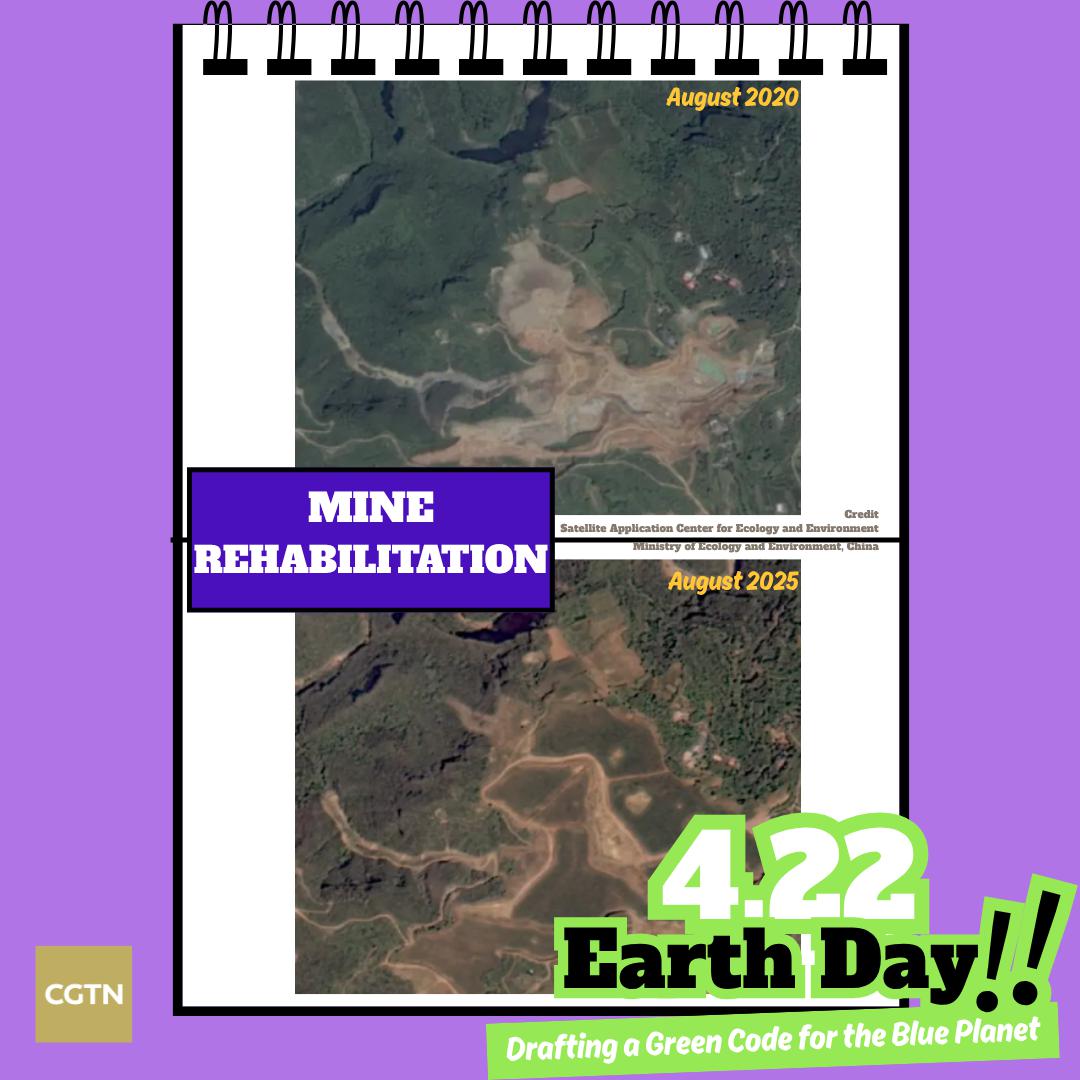
According to reports from People's Daily, this "green code" for mining is part of a broader national strategy to achieve carbon neutrality by 2060. Restored mining lands act as new carbon sinks; a healthy, reforested minefield can sequester approximately 1 to 3 tonnes of carbon per hectare per year, depending on the species density and soil health. In the Yulin case, the transition from bare ground to dense cover within a 5-year window indicates a high survival rate for planted species—likely exceeding 85%—which is a critical metric for the sustainability of reforestation projects in semi-arid northwest China. This high efficiency is often supported by precision irrigation and soil-rebuilding techniques that utilize organic waste to accelerate the creation of a functional humus layer.
Furthermore, the scale of this transformation across disparate provinces like Heilongjiang, Inner Mongolia, Shaanxi, and Henan demonstrates a standardized, high-output methodology. The cost-to-benefit ratio of these projects is increasingly favorable as "nature-based solutions" replace more expensive, purely mechanical containment strategies. For every $1 million invested in ecological restoration, the surrounding environment gains value through improved air quality, stabilized water tables, and the potential for eco-tourism or sustainable agriculture. In Jiyuan, Henan, the gradual regain of "green vitality" suggests a recovery of the local ecosystem's "carrying capacity," allowing for the return of indigenous fauna and a 15% to 25% increase in local biodiversity indices.
Ultimately, the satellite imagery confirms that China has moved from a "patchwork" approach to a systematic "landscape-scale" restoration model. By treating abandoned mines not as liabilities but as opportunities for ecological renewal, the "green code" is being successfully drafted through hard data and persistent field execution. The lifecycle of these projects—transforming a barren site into a functioning ecosystem in just 5 to 6 years—sets a new international benchmark for industrial recovery. As the world seeks to balance resource extraction with planetary health, the quantitative success of these cases provides a repeatable blueprint for restoring the balance of our shared environment.
News source: https://peoplesdaily.pdnews.cn/china/er/30051995725